
Troubleshooting
Garage Door Stuck Closed: Quick Checks Before Calling Repair
A practical checklist for Portland and Vancouver homeowners when a garage door won't open — covering opener power, spring failure, track obstructions, and safety sensor issues.
Fast answer
- Check opener power first — a tripped breaker or unplugged unit is the easiest fix.
- Look above the door for a gap in the spring coil. A broken spring means the door is too heavy to safely lift manually.
- Do not keep pressing the opener button if the door moves only a few inches then stops — you may be damaging the opener or bending the tracks.
- If a vehicle is trapped inside, treat it as an emergency and call for same-day service.
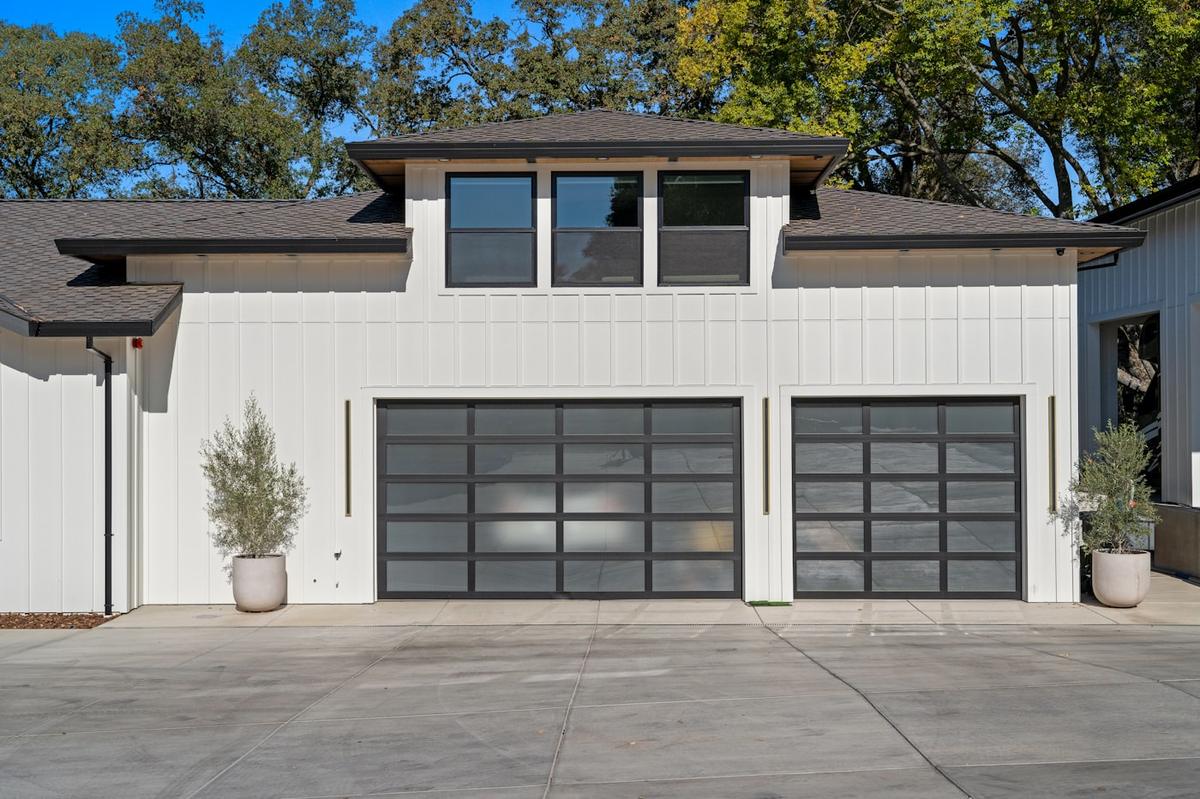
Step 1: Check the opener and its power
Start at the simplest cause. Is the opener plugged in? Has the outlet's circuit breaker tripped? Try the wall button — if that also does nothing, the issue is likely power or the opener's logic board, not the door itself. If the opener hums or clicks but the door doesn't move, the motor is receiving power but something mechanical is preventing the lift.
Step 2: Look for a broken spring
Stand inside the garage and look at the horizontal bar above the door (the torsion bar). You are looking for a visible gap — a break in the spring coil, usually in the middle or near the mounting bracket. A broken torsion spring means the door has no counterbalance. Even if you could force it open manually, doing so risks the cable drums unwinding, cables fraying, and the door falling. Stop operating the door and call for repair.
On doors with extension springs (springs that run along the horizontal track arms on each side), look for a spring that is hanging loose or visibly separated from its hook.
Step 3: Check for track obstructions and sensor issues
If the opener runs but reverses immediately, the safety sensors near the floor may be misaligned or blocked. Look for two small sensors on either side of the door about 4–6 inches off the ground — one sends an infrared beam, the other receives it. A solid or blinking LED indicates whether the beam is broken. Clear any debris and gently realign the sensors so their indicator lights go solid.
Also check the tracks on both sides for visible dents, debris, or a roller that has jumped out of the track. A door that moves a few inches and then binds usually has a track or roller problem, not a spring problem.
Step 4: Try the emergency release — carefully
The red cord hanging from the opener rail is the emergency release. Pulling it disconnects the trolley from the opener so you can move the door manually. Only use it if the door is fully closed and you have confirmed the springs are intact — a door with a broken spring and no trolley connection can fall suddenly under its own weight. If the door is closed, springs are intact, and you need to manually open it once (for example to get a car out), pull the release and lift from the center of the door with both hands, keeping your body to the side.
When to stop and call
Stop attempting to operate the door if you see a broken spring, frayed or loose cables, a bent track section, or if the door moved and then suddenly dropped. Continuing to force a damaged door can destroy the opener, bend both tracks, and create a safety hazard. Same-day repair is usually available across Portland and Vancouver — in most cases it is faster and safer to call than to keep troubleshooting.
Same-Day Service Available Car trapped? We prioritize blocked vehicle calls
Common questions
Why won't my garage door open even though the opener is running?
The opener motor can run while something mechanical — a broken spring, an off-track roller, or a binding cable — prevents the door itself from lifting. If the opener hums but the door doesn't move, stop and check for a broken spring before trying again.
Is it safe to open a stuck garage door manually?
Only if you've confirmed the springs are intact and the door is fully closed. Pull the emergency release, then lift from the center of the door with both hands — never attempt this if a spring is visibly broken.
What's the most common reason a garage door gets stuck closed?
Misaligned or blocked safety sensors are one of the most frequent causes — they sit a few inches off the floor on each side of the door and will stop the door from closing, or reopen it, if their infrared beam is interrupted.